Work culture has changed permanently. Businesses no longer want long leases, empty offices, or rigid setups that slow them down. Teams want flexibility, comfort, and spaces that support real work. This shift has made flexible office spaces a practical choice for startups, growing companies, and modern teams.
Reality Workspaces addresses this need by offering fully furnished, ready-to-move office spaces designed to adapt to how businesses work today. Instead of forcing companies into fixed layouts or long commitments, these workspaces support growth, collaboration, and productivity from day one.
This blog explains why flexible office spaces matter, how they solve common business problems, and how modern companies benefit from choosing the right workspace setup.
Why Traditional Offices No Longer Work for Modern Businesses
For years, traditional offices followed the same model: long leases, high setup costs, and limited flexibility. That model does not match how businesses operate today.
Many companies now face challenges such as:
- Uncertain team sizes
- Hybrid or remote work structures
- Short-term projects and scaling needs
- Rising real estate and setup costs
A fixed office becomes a liability when teams grow or shrink quickly. Empty desks waste money. Cramped offices reduce productivity. Long lock-in periods limit business decisions.
This is where flexible office spaces offer a smarter alternative.
What Is a Flexible Office Space?
A flexible office space is a fully managed workspace that allows businesses to choose how, when, and where they work—without long-term commitments or heavy upfront costs.
Instead of building an office from scratch, businesses get access to:
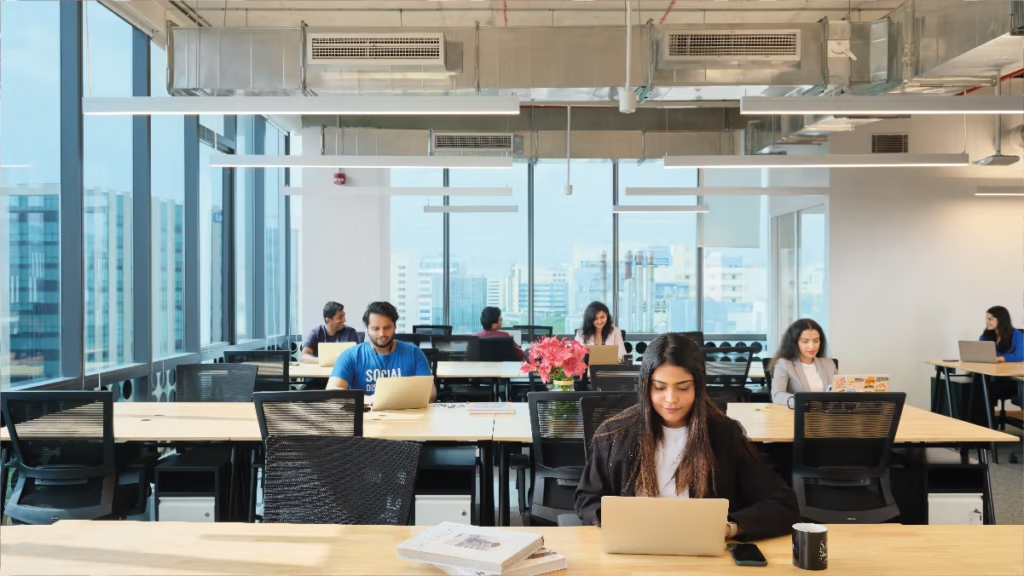
- Ready-to-use workstations
- Professional infrastructure
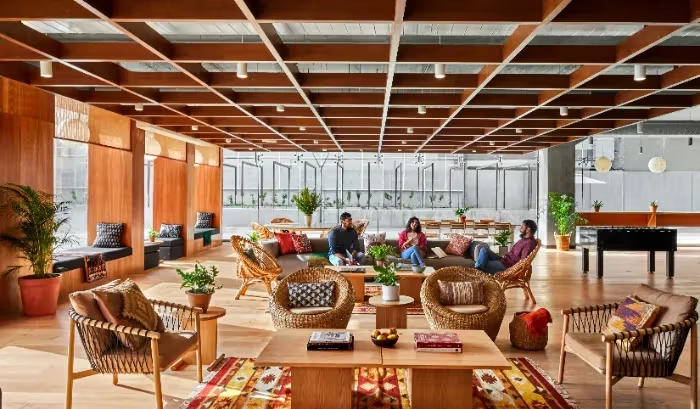
- Shared and private working areas
- Support services that remove operational burden
Reality Workspaces delivers this model by providing private cabins, dedicated desks, meeting rooms, and open coworking zones, all under one roof.
Who Benefits Most from Flexible Office Spaces?
Flexible workspaces are not limited to startups. They serve a wide range of businesses and teams.
Startups and Early-Stage Businesses
Startups need agility. Flexible offices allow founders to:
- Start small
- Control costs
- Scale teams without relocation
Small and Growing Businesses
As teams expand, space requirements change. Flexible offices eliminate the need to move locations frequently.
Remote and Hybrid Teams
Teams that work part-time from the office still need:
- Professional meeting rooms
- Collaboration spaces
- A productive work environment
Established Companies
Large companies use flexible offices for:
- Project teams
- Satellite offices
- Short-term expansions
How Reality Workspaces Supports Business Growth
Reality Workspaces is built around a clear mission: to provide work environments that adapt to business needs and empower teams to perform better.
Here’s how that mission translates into real value.
Fully Furnished, Ready-to-Move Offices
One of the biggest advantages is speed. Businesses can move in and start working immediately.
There is no need to:
- Buy furniture
- Set up internet
- Manage utilities
- Coordinate vendors
Everything is already in place. This saves time, money, and management effort.
Private Cabins for Focused Teams
Private cabins offer enclosed spaces for teams that need confidentiality and focus.
They are ideal for:
- Client-facing teams
- Leadership groups
- Companies handling sensitive data
These cabins maintain privacy while still giving access to shared amenities and collaborative areas.
Dedicated Desks for Consistency
Dedicated desks suit individuals or small teams who need a fixed workspace without renting a full office.
This option provides:
- A personal workstation
- Professional office access
- Lower costs than private cabins
It works well for consultants, remote employees, and small teams.
Open Coworking Zones for Collaboration
Open coworking areas encourage interaction, creativity, and networking.
They are designed for:
- Freelancers
- Small teams
- Professionals who value community
These spaces create energy while still maintaining a professional environment.
Meeting Rooms Designed for Business Discussions
Meetings require the right setting. Reality Workspaces provides meeting rooms equipped for:
- Client presentations
- Team discussions
- Strategy sessions
Having professional meeting rooms improves communication and leaves a strong impression on clients.
A Workspace That Adapts as You Grow
Growth should not force disruption. Flexible office spaces allow businesses to:
- Add desks when hiring
- Upgrade to private cabins
- Reduce space during slow periods
This adaptability helps businesses stay lean and responsive.
How Flexible Workspaces Improve Productivity
The design of a workspace directly affects performance. Reality Workspaces focuses on combining comfort, professionalism, and productivity.
Key productivity benefits include:
- Ergonomic furniture
- Well-planned layouts
- Quiet zones and collaboration areas
- Clean, organized environments
Teams work better when the workspace supports concentration and collaboration equally.
Cost Efficiency Without Compromising Quality
Setting up a traditional office involves high upfront costs. Flexible offices spread these costs into predictable monthly expenses.
Businesses save on:
- Furniture purchases
- Maintenance
- Utilities
- Office management
This allows better financial planning and frees capital for core business activities.
Supporting Modern Work Culture
Work culture is no longer about fixed desks and long hours. It is about flexibility, autonomy, and results.
Reality Workspaces aligns with this culture by offering:
- Multiple workspace options
- Comfortable environments
- Spaces that encourage collaboration and focus
This helps businesses attract and retain talent.
Choosing the Right Flexible Office Space
When selecting a workspace, businesses should consider:
- Team size and growth plans
- Type of work (focused vs collaborative)
- Need for privacy
- Client interaction requirements
A workspace should support current needs and future expansion without friction.
Internal Linking Suggestions
To strengthen website SEO and user flow, this blog can internally link to:
- “Private Office Spaces” service page
- “Coworking Spaces” overview page
- “Meeting Rooms” booking page
- “Why Choose Reality Workspaces” page
Conclusion: Workspaces That Work for You
Flexible office spaces are no longer a trend—they are a practical solution for modern businesses. They remove complexity, reduce costs, and support growth without compromise.
Reality Workspaces provides work environments that adapt to changing needs, support evolving work cultures, and help teams perform at their best. Whether you need a private cabin, a dedicated desk, or a collaborative coworking zone, the right workspace can become a foundation for sustainable business growth.